
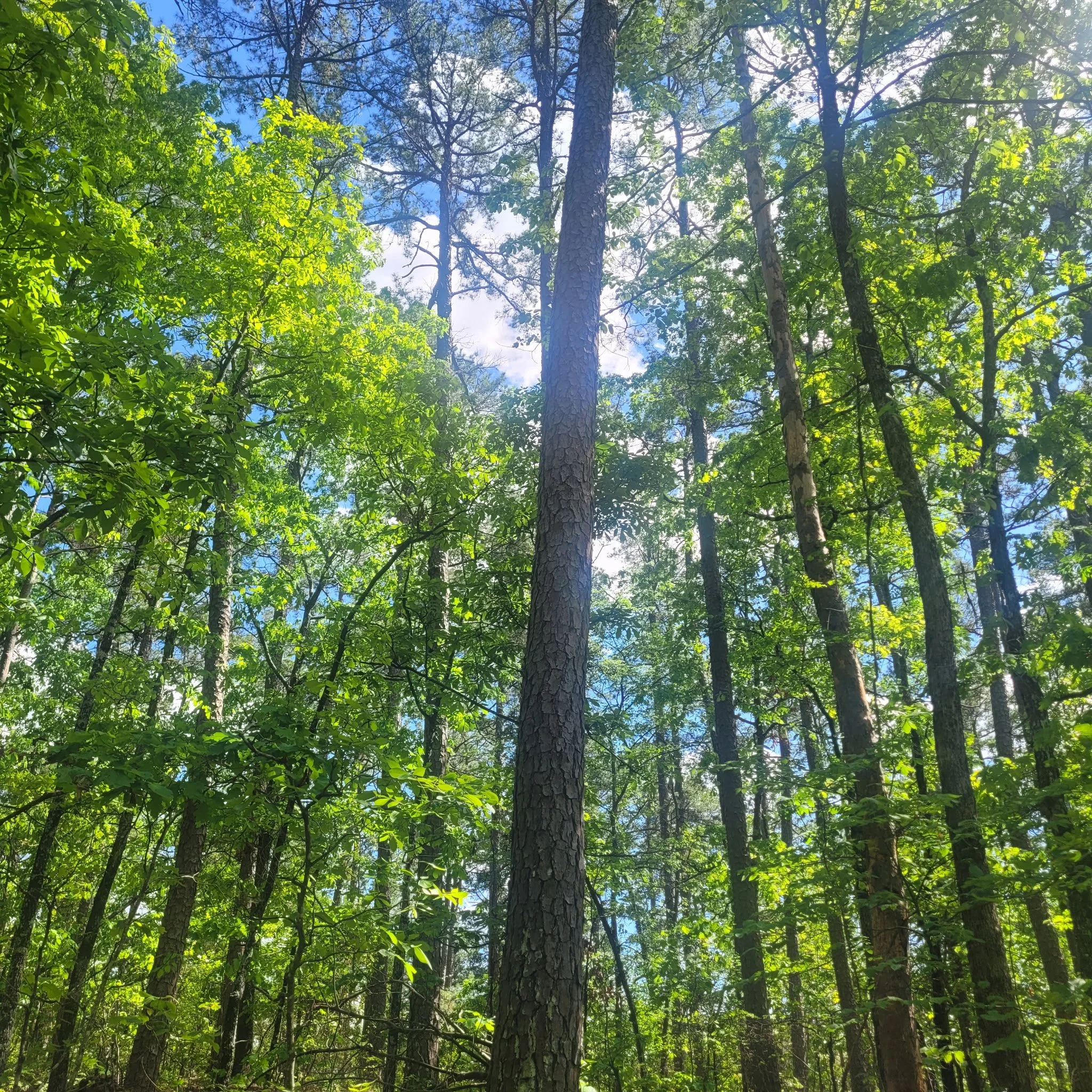
Our Southern Yellow Pine
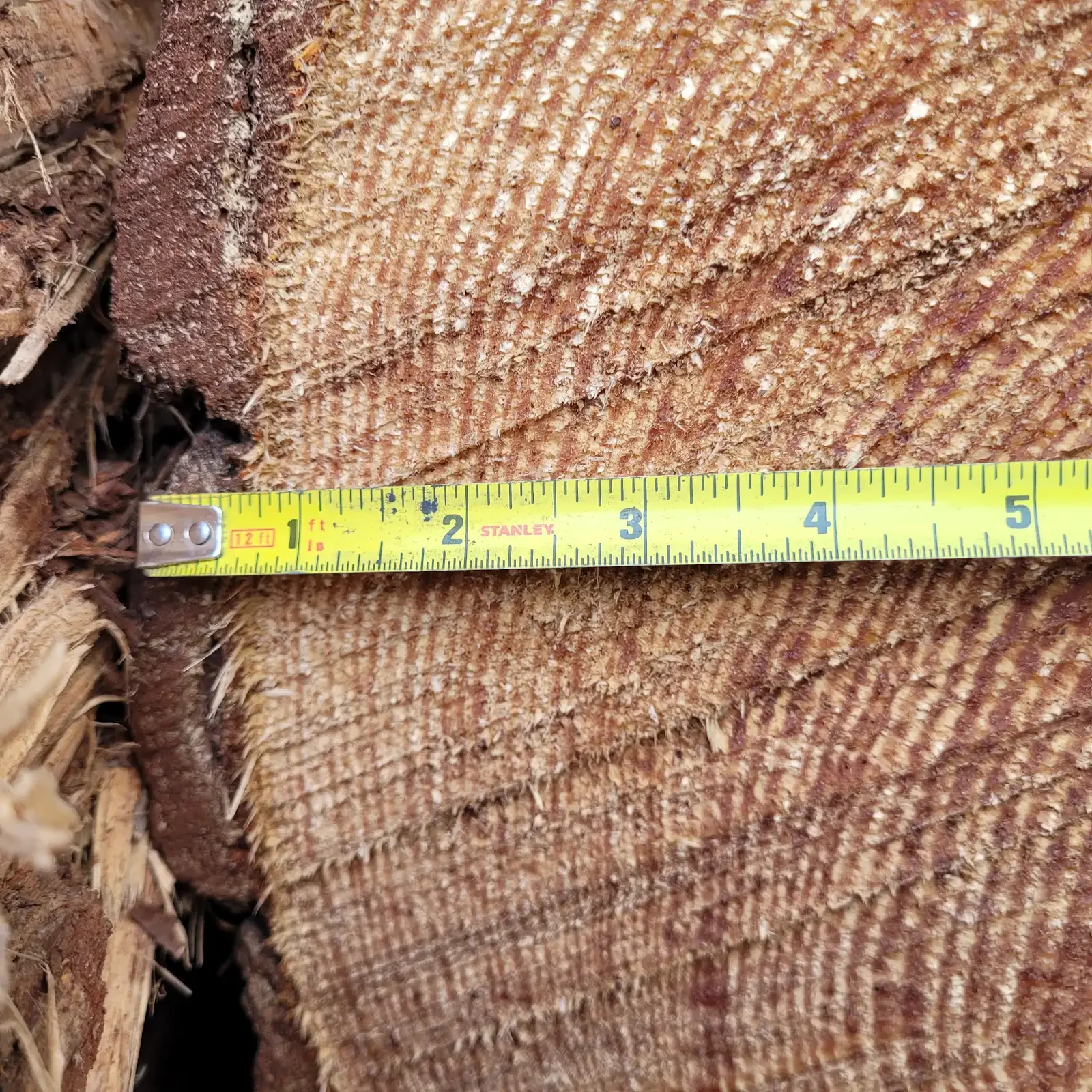
We source slow-growth, properly managed trees that adhere to our internal quality control program. After production, we select the best timbers for your project and apply any secondary manufacturing on-site before seasoning. Our proprietary process(s) and quality control steps maximize the strength and integrity of the final product.
Dense / Select
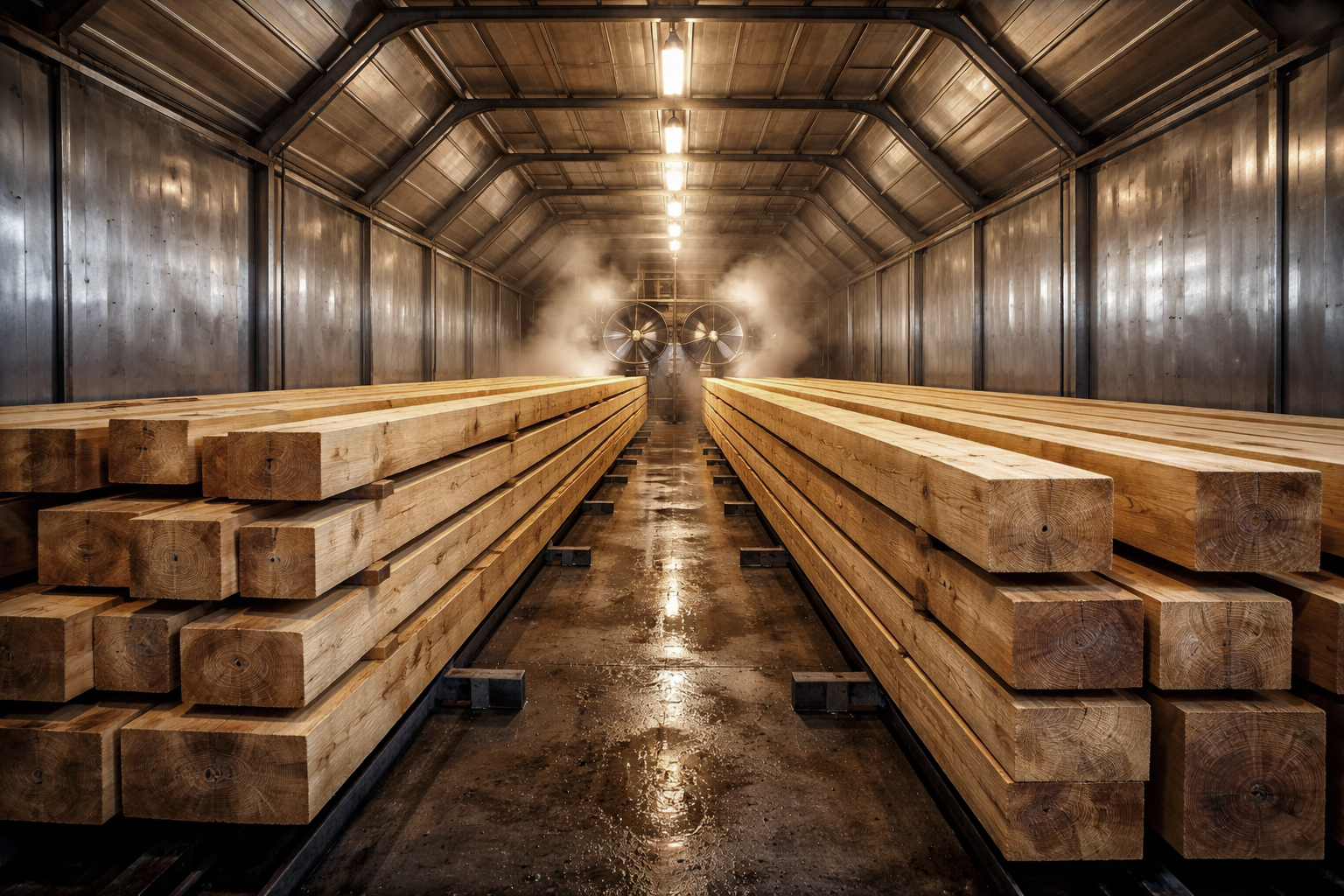
Our proprietary Kiln Drying process maximizes strength and durability, leaving the timber structurally sound. This also maximizes the natural qualities of wood, resulting in a better final product. Our kiln-dried dense SYP product, which follows our proprietary Tree-to-Track™ program, provides a final product with a strength profile better than or equal to boultonized hardwoods.
Kiln Dried
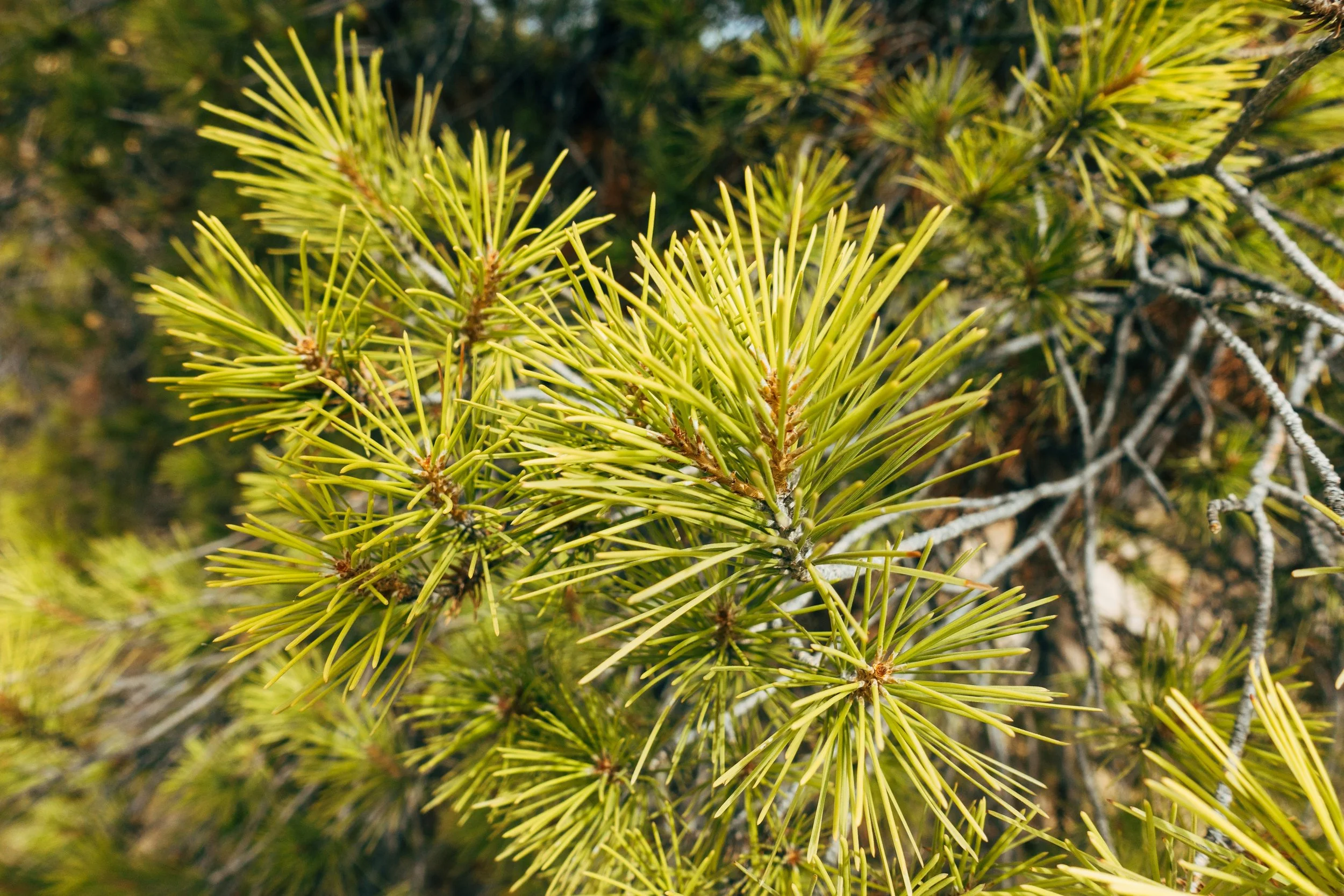
When selected, harvested, stored, dried, and treated properly, our Southern Yellow Pine will produce a product with superior strength and durability that often outperforms similar hardwood options.
Southern Yellow Pine
Kiln Drying vs. Boultonization
Kiln Dried Southern Yellow Pine can offer a variety of advantages over the Boultonization method often used with oak and other hardwoods utilized for bridge and other high end specialty products.
Drying wood correctly can:
Increase Strength and Stability
Remove moisture without causing damage to the cells and structural itegrity.
Decrease susceptibility to decay by lowering the moisture content below the fiber saturation point
Minimizes checks, splits, and other defects through the slow removal of moisture from the wood
Boultonization can:
Decrease Strength and Stability
Cause damage to wood cells and structural integrity
Leave wood vulnerable to decay organisms due to moisture contents above the fiber saturation point
Increase checks, splits, and other defects due to the fast removal of moisture from the wood

these issues can also occurr when drying incorrectly
Fiber Saturation Point
What is Fiber Saturation Point (FSP) and why does it matter?
Fiber Saturation Point refers to a percentage of Moisture Content (MC) in wood. The FSP for wood is generally at or above 28-30%. Once the MC is below the FSP, free water is no longer present and only bound water remains.
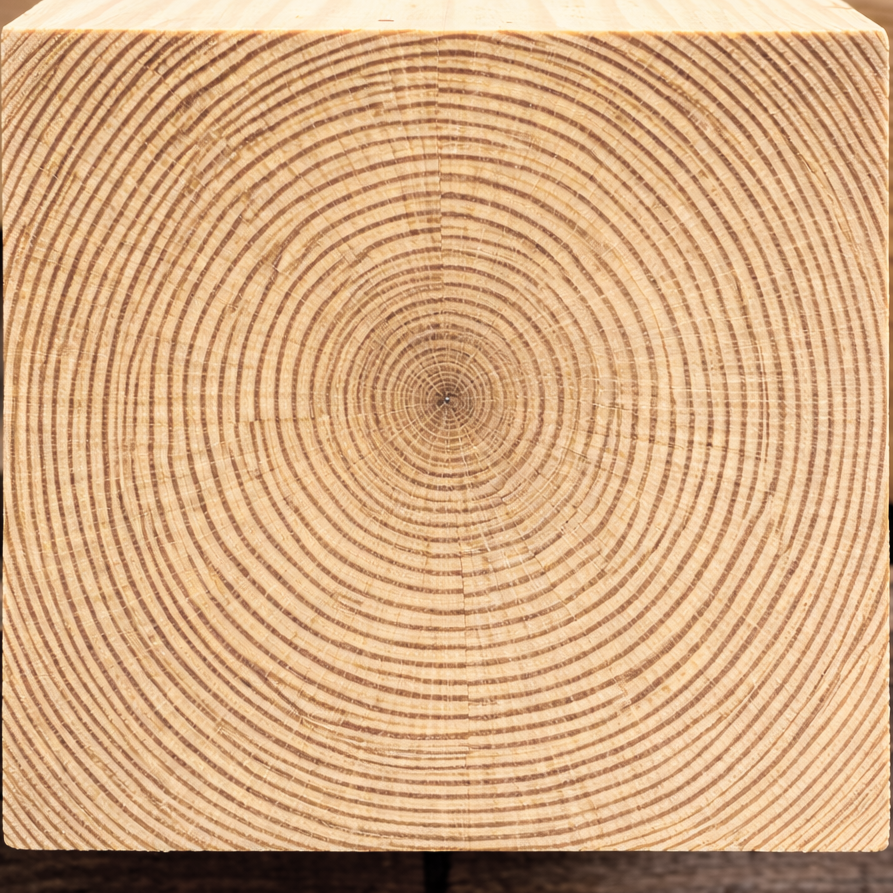
Below the Fiber Saturation Point
Below the FSP, wood begins to change its mechanical properties. It becomes stronger and more stable as the moisture content declines. This increases the performance and reliability of the wood, especially when dried correctly.
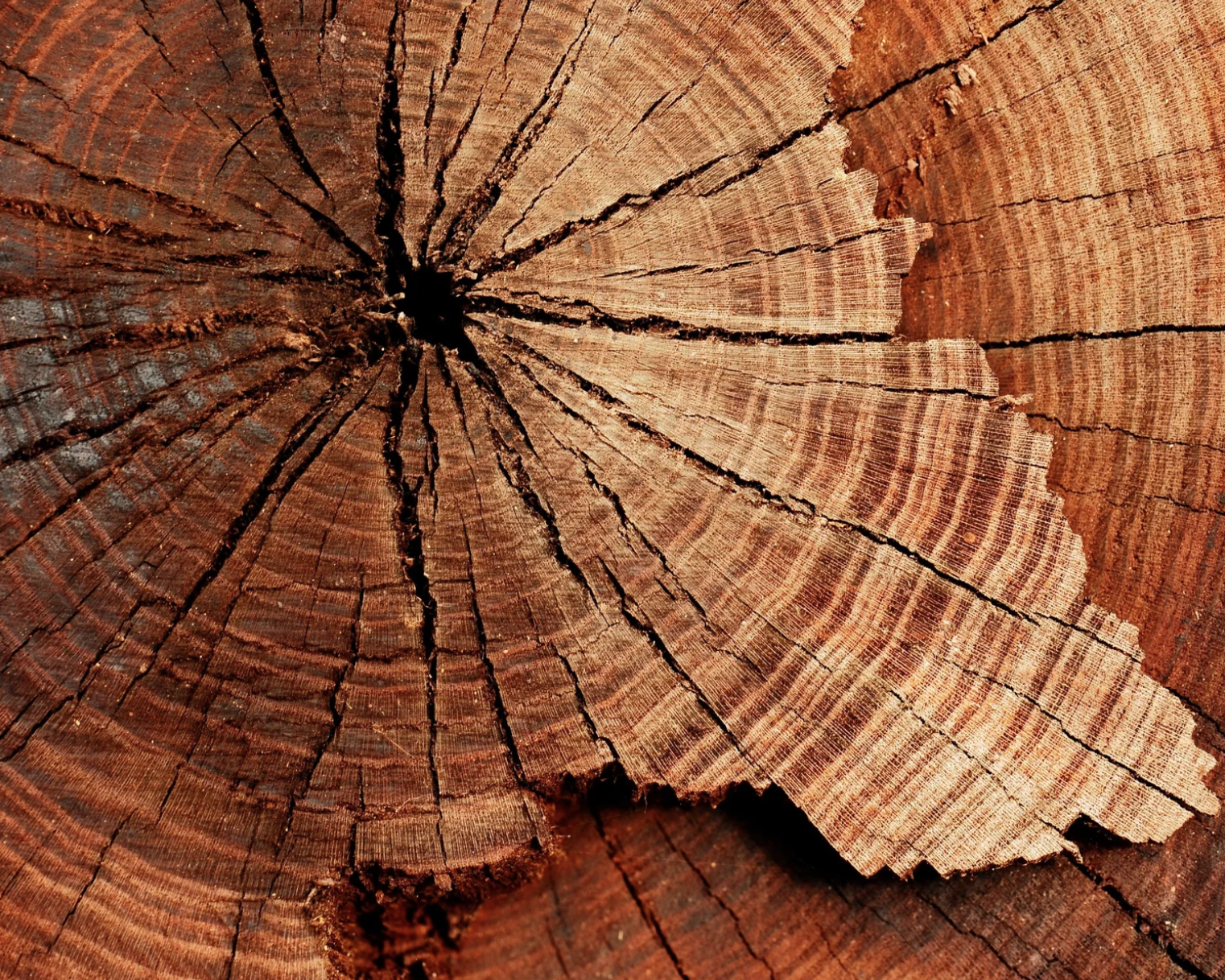
Above the Fiber Saturation Point
Above the FSP, wood remains weaker and more susceptible to decay organisms and other challenges that decrease the strength, performance, and durability.
Our proprietary process produces dried timbers below the fiber saturation point.
This is often unachievable with boultonized hardwoods.
Get the best product for your project.
Our Southern Yellow Pine is suitable for many applications, but we source all species of industrial wood products. Our exclusive Tree-to-Track™ process delivers the most reliable products available alongside the best customer service in the industry.
Ready for a Quote?
Get in touch today and let’s get started. Our experts are ready to serve you.
Call Cole 662-891-6093
or fill out the form below
Technical Questions?
We are happy to help! Reach out and take advantage of our 80+ years of experience.
Call Shane 601-357-6380
or fill out the form below